

Sustainability Training & Consulting
OUR WORK & PROJECTS
WASTE AUDITS

CO-WORKING SPACE

FASHION
INDUSTRY
CORPORATE TRAINING & TEAM BUILDING


SOME OF OUR CLIENTS & PARTNERS









Every engagement begins with a practical waste audit, where trained specialists walk through a site to understand how materials flow from delivery through use and disposal. The goal is not to shame anyone for current habits but to identify realistic, high-impact opportunities for reduction. Audits cover everything from packaging and procurement choices to staff behavior and end-of-life handling. The findings are compiled into a clear, actionable report with prioritized recommendations, so organizations know exactly where to start and what to tackle first. This foundational step turns vague sustainability ambitions into a concrete, measurable plan tailored to each unique operation.
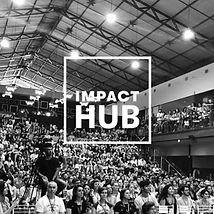
For service-based businesses, co-working spaces, and hospitality venues, the focus shifts to the daily rhythms of high-traffic environments where convenience often wins over sustainability. Here, the work centers on redesigning shared systems: smarter bin placement, clearer signage, reusable alternatives to single-use items, and streamlined back-of-house processes. Staff training is woven into the rollout so that new habits stick long after the initial setup. The aim is to make the sustainable choice the easy choice, reducing contamination in recycling streams and cutting overall waste volumes without disrupting the customer experience or the flow of daily operations.
In the fashion and manufacturing sectors, waste reduction reaches deeper into the supply chain. Brands and factories are guided through material sourcing, production offcuts, overproduction, and unsold inventory challenges. The approach encourages circular thinking, such as designing for durability and repairability, exploring take-back programs, and connecting surplus materials with reuse channels. For e-commerce and manufacturing companies, packaging is often the first place to make visible gains, from right-sizing boxes to eliminating unnecessary fillers. These efforts not only lighten environmental impact but also often reveal cost savings that make the business case for sustainability more compelling.
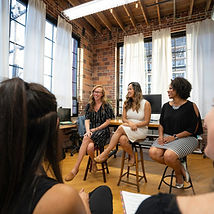
Corporate training and team-building sessions turn sustainability into a shared company value rather than a lone initiative. Interactive workshops bring employees together to explore practical habits they can adopt both at work and at home, from smarter lunch choices to mindful procurement and better sorting practices. These sessions are designed to be engaging and hands-on, encouraging friendly competition and collective problem-solving. Teams leave with a common vocabulary and a set of tools they can apply immediately. Over time, this builds a workplace culture where waste reduction is simply part of how things are done, supported by leadership and reinforced through ongoing check-ins and refresher sessions.
Individual workshops open the door for anyone in Shanghai to begin their own waste-reduction journey, regardless of their starting point. These practical sessions cover everyday decisions: shopping with reusable bags and containers, navigating local recycling rules, composting kitchen scraps, and choosing products with less packaging. Participants learn that small, consistent changes add up over time and that perfection is not the goal. The workshops also connect like-minded people, creating a supportive community where tips and successes are shared freely. Whether someone wants to reduce one bag of trash a month or go nearly zero-waste, the guidance meets them where they are.